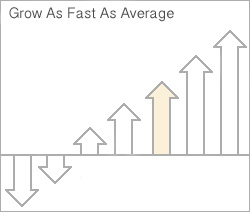
Employment of health and safety engineers is projected to grow 6 percent from 2014 to 2024, about as fast as the average for all occupations.
Health and safety engineers have long been employed in manufacturing industries to cut costs, save lives, and produce safe consumer products. The same principles are being applied in new areas, such as healthcare. Recent studies have documented the high costs of accidents in hospitals. Accident prevention, particularly with regard to radiation safety, is likely to become increasingly important for the healthcare industry as a way of cutting costs. As a result, strong demand is expected for health and safety engineers in consulting firms. Demand is also expected to be strong in construction.
The emerging field of software safety engineering will likely help drive employment as well. Software must work exactly as intended, especially when it controls, for example, elevators or automobiles, where a glitch in the software could cause serious injury to people and damage to equipment. The need to apply the principles of systems safety engineering to software is likely to grow as more machines and mechanical devices are controlled by software.
Health and Safety Engineers
Percent change in employment, projected 2014-24
Total, all occupations
7%
Health and safety engineers, except mining safety engineers and inspectors
6%
Engineers
4%
Note: All Occupations includes all occupations in the U.S. Economy. Source: U.S. Bureau of Labor Statistics, Employment Projections program
Source: Bureau of Labor Statistics, U.S. Department of Labor, Occupational Outlook Handbook, 2014-2024 Edition
Interesting Fact
Before becoming an actress and comedian, Whoopi Goldberg worked as a bricklayer, a bank teller, and even as a makeup artist at a funeral parlor.
Did you know...
MyPlan.com can help you figure out What To Do With a Major In... in a unique tool that reports related careers that typically follow completion of various degrees.